
The Biophilic Blueprint: How to design for mental clarity using natural light and indoor-outdoortransitions.
The Architecture of Wellness: The Biophilic Blueprint
In an age where our daily rhythms are increasingly dictated by screens and digital interfaces, thearchitecture we inhabit must do more than provide shelter; it must act as a restorative sanctuary.Designing for mental clarity requires a deliberate manipulation of light, air, and nature within our livingvolumes to counteract the sensory overload of modern life. By moving away from the traditional, closed-off room structure and toward a system of layered spaces, we can create environments that prioritisehuman connection and psychological well-being. This approach redefines the home not as a series ofisolated boxes, but as a breathing, interconnected ecosystem that nurtures the mind.
Cultivating Clarity through Green Pockets
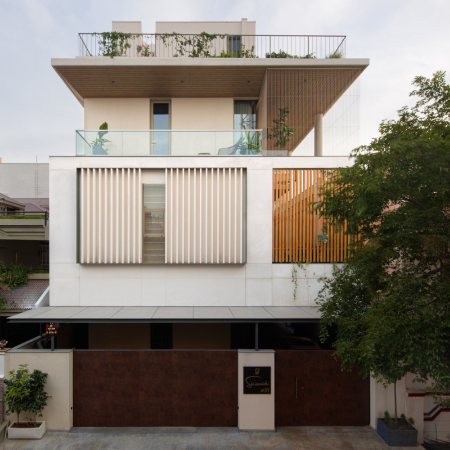
The House of Dialogue in Bangalore serves as an example of this philosophy, proving that mental clarityis a direct result of how we manipulate light, air, and nature within our living volumes. At the core of awellness-focused home is the concept of the “green pocket.” These are not merely ornamental gardens butessential lungs for a residence that foster deep mental focus. By weaving internal courts and greenerythroughout a layout, the design ensures that every transition, whether moving from a kitchen to a diningarea or ascending toupper floors, is punctuated by a glimpse of nature. This constant visual access togreenery acts as a cognitive reset, lowering stress and fostering a meditative quality in even the mostmundane daily routines. These pockets of green serve to anchor the home, stitching together differentlevels and ensuring that the inhabitants remain connected to the earth, even within a dense urban setting.
The Rhythm of Light and Natural Transitions
The transition between the interior and the exterior is a critical element of the biophilic blueprint formental health. The boundary of a home should be softened through carefully composed facades, such asvertical louvres and cascading greenery. These elements perform a dual function: they shield theinhabitants from the sensory overload of the bustling outside world while inviting dappled natural light tofilter deep into the living spaces. This controlled entry of light, paired with passive cooling through cross-ventilation, ensures the home breathes naturally. When a spaceis physically comfortable and bathed insoft, natural light, the mind is freed from the distractions of physical discomfort, allowing for deeperfocus and clearer conversation.
Fluidity Across Vertical Volumes
Designing for wellness also requires a rethink of how we move through space to encourage social and mental transparency. Instead of isolated floors that can lead to a sense of confinement, utilising internal balconies and elevated water features creates a sense of fluid connection. Strategically placed bridges andopen corridors connect private and social zones, introducing the sensory calm of water and air into the heart of the home. This layering of volumes allows for constant visual and verbal contact across different levels, combating the feeling of isolation often found in multi-story homes and replacing it with a sense of communal belonging and clarity.
Materiality and the Palette of Calm
Materiality plays a final, vital role in grounding the psyche and maintaining a peaceful environment. Arestrained palette of beige and walnut tones, anchored by natural stones with organic veining, can subtlymirror the colours found in nature to create acohesive visual language that reduces “visual noise.” Usingmaterials like lava stone or textured marble adds a tactile, earthy dimension to the home that grounds thesenses. By surrounding ourselves with natural materials and colours that reflect the landscape, we createan atmosphere of quiet enclosure that feels both expansive and protective, providing the ultimateframework for a mindful life.