
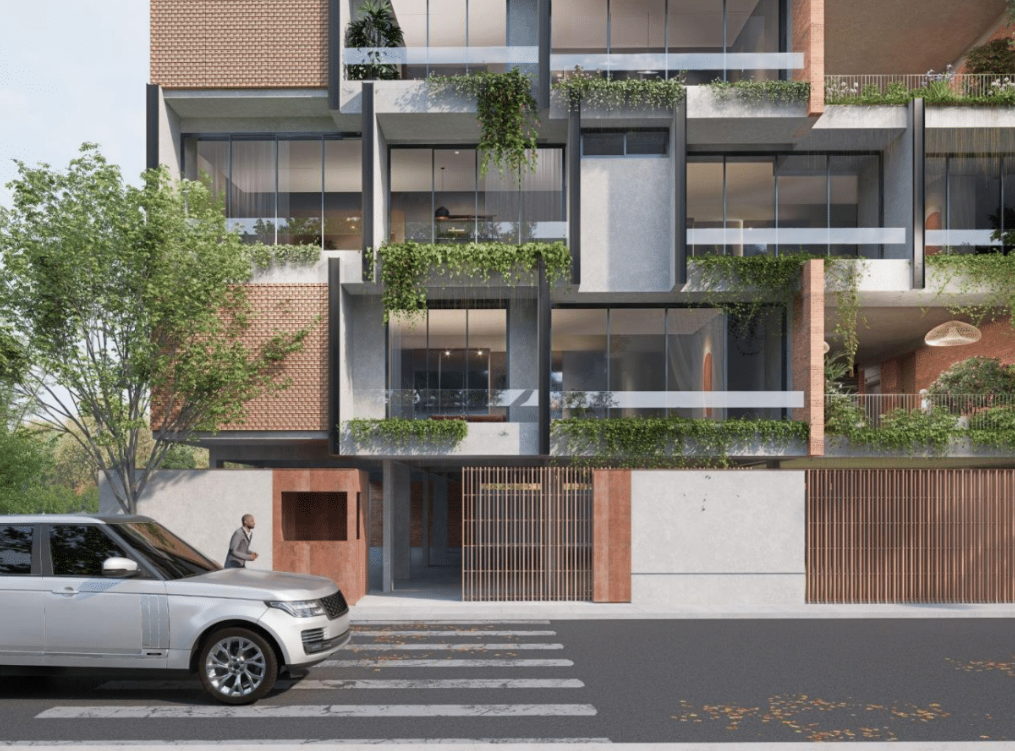
Vertical housing solutions are redefining urban living. With apartments stacked vertically, cities are housing more people in smaller footprints. While private apartments provide personal space, it is the communal spaces that define the quality of life in these buildings. These shared areas give residents opportunities to connect, relax, and engage with their community, creating a sense of belonging that goes beyond their own four walls. Well-designed communal spaces make vertical living feel more human and less isolating.
Common Spaces like Courtyards and Gardens
One of the primary challenges in high-density housing is the limited availability of traditional outdoor space. Without backyards or immediate access to parks, residents rely on thoughtfully designed share dare as for recreation and relaxation. Courtyards and gardens in apartments act as pockets of openness where people can gather, walk, or simply enjoy a moment outdoors. Landscaped terraces and rooftop gardens bring natural light, airflow, and greenery into the building, creating a visual and functional connection between residents and the environment. These spaces are central to the experience of communal spaces in apartment complexes, extending daily life beyond individual units and providing areas where neighbours can meet naturally.
Nature as a Design Element
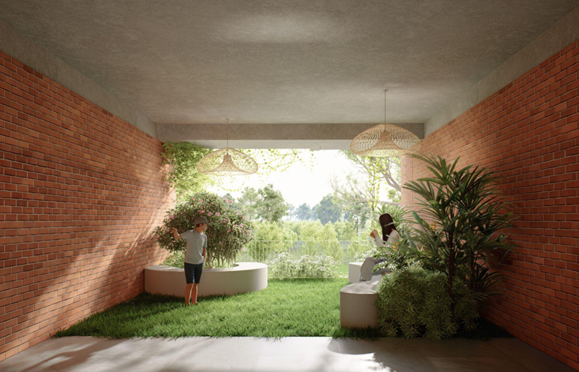
Integrating nature into mid-to-high-rise design is not just a decorative feature; it has been proven to improve wellbeing and comfort. Urban living can often feel dense and enclosed, but elements like rooftop gardens in apartments, green walls, and planted atriums soften the built environment. These features bring daylight, fresh air, and a sense of openness, helping residents feel more connected to the outdoors even at great heights. Green spaces also encourage movement, provide quiet areas for reflection, and create a healthier environment for community living in high-rises, balancing the intensity of city life with moments of calm
Encouraging Social Interaction
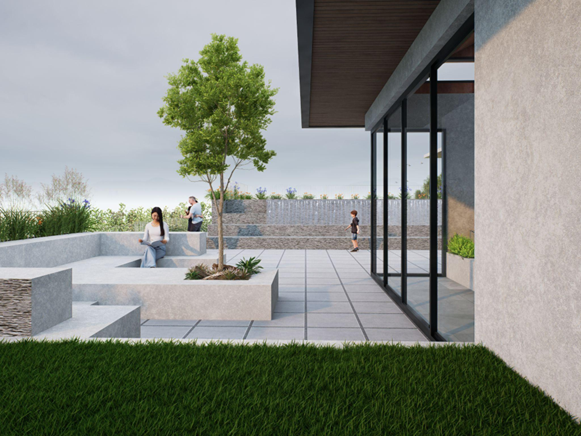
The success of a design for communal spaces lies in how residents utilise them. Spaces that are easy to access and thoughtfully arranged naturally foster social interaction in vertical living. Seating areas, walkways, and activity zones can be designed to invite conversation or casual encounters. Children’s play areas, reading nooks, and shared lounges provide residents with multiple opportunities to spend timeout side their apartments. By encouraging interaction while also offering quiet corners, these communal spaces help transform anonymous towers into active communities, where residents feel recognised and connected.
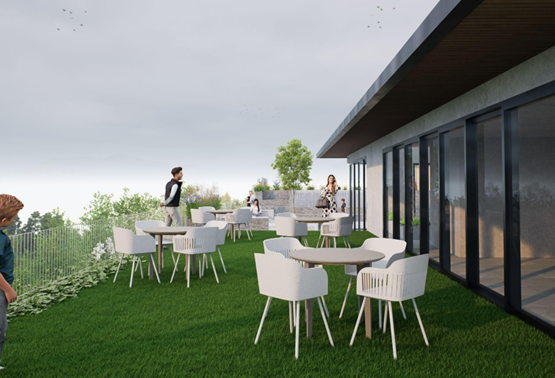
Communal spaces in vertical housing are vital to creating a sense of community and improving residents’ quality of life. Thoughtful design of communal spaces, the integration of courtyards and gardens in apartments, and the inclusion of nature in vertical design foster connection, well-being, and adaptability. By prioritising accessibility, usability, and interaction, architects can transform vertical buildings from mere clusters of apartments into thriving, functional communities. In high-rise living, it is these shared spaces that define how residents experience their homes and their neighbourhoods.