
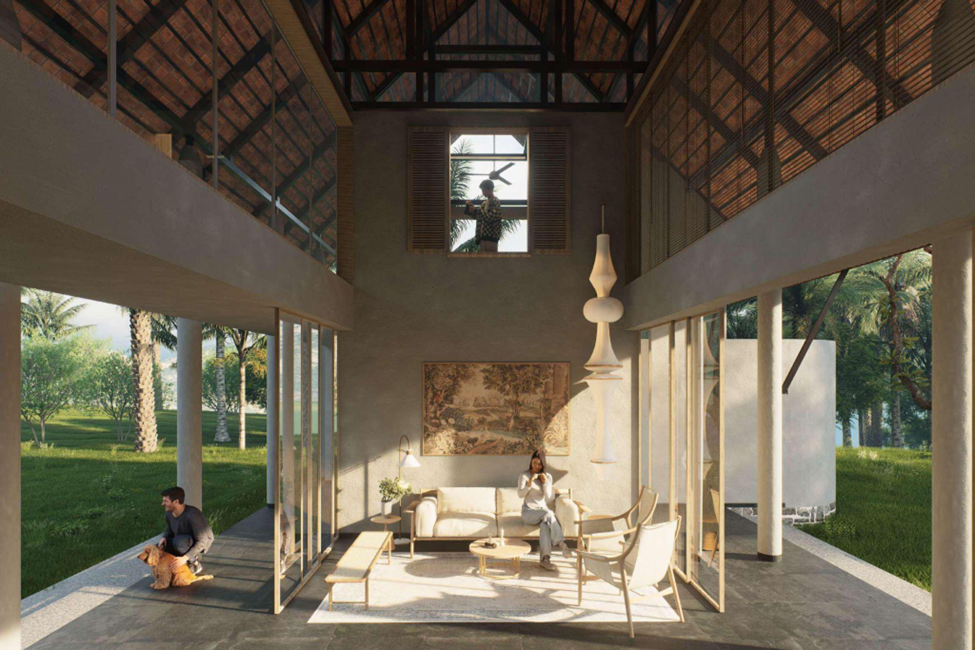
Food, shelter and clothing may have once been the cornerstone of human survival. But we have evolvedbeyond these basic needs, embracing comfort, connection, and innovation to create a world thatconstantly evolves and inspires. Architecture has evolved from merely designing spaces for shelter toenvirons deeply rooted in emotional connections that tether users to the place.
The Emotional Power of Architecture
Humans crave a sense of belonging, a connection that goes beyond physical needs. This innate need drives much of our behaviour and emotional responses, and architecture plays a crucial role in fulfilling it. Emotions are deeply tied to the spaces we occupy. Architecture holds the power to shape and dictate a person’s emotional response, whether it emerges consciously or stirs subconsciously, the moment they step into a designed space. It can either make or break the place. Well-lit and naturally ventilated areas can make people feel at ease, while crammed spaces that are dimly lit using harsh artificial lighting can suffocate the user. The emotional power of architecture is not merely a byproduct but a central consideration in the design process.
Designing Spaces with Purpose
Context plays an important role in the way we perceive a space. As the inhabitants differ, the way we design also differs. Architecture facilitates the needs of the people by keeping them at the forefront and tailoring the environs around them.
One powerful approach is harnessing natural lighting to create a dynamic emotional rhythm. Instead of just adding windows, consider the orientation of the space. Large, east-facing windows can flood a room with warm morning light to energise occupants. At the same time, softer, diffused skylights can evoke calm. Colour psychology also plays a pivotal role in the perception of a space. Think about layering hues to guide emotions through a space. Test swatches in the actual lighting conditions of the room because colours shift dramatically under natural versus artificial light.
Exploring biophilic design principles is another great way to make the users emotionally connect to a space. Position biophilic elements like indoor plants strategically to draw people into a restorative connection with nature. Natural materials can also speak to the senses in profound ways. By focusing on how to weave these elements into design, we can transform spaces into sanctuaries that nurture the people who inhabit them.
In a world that is constantly evolving, the power of architecture to connect, inspire, and nurture is more important than ever. The spaces we occupy are not just physical places but emotional landscapes that shape our experiences and interactions.