
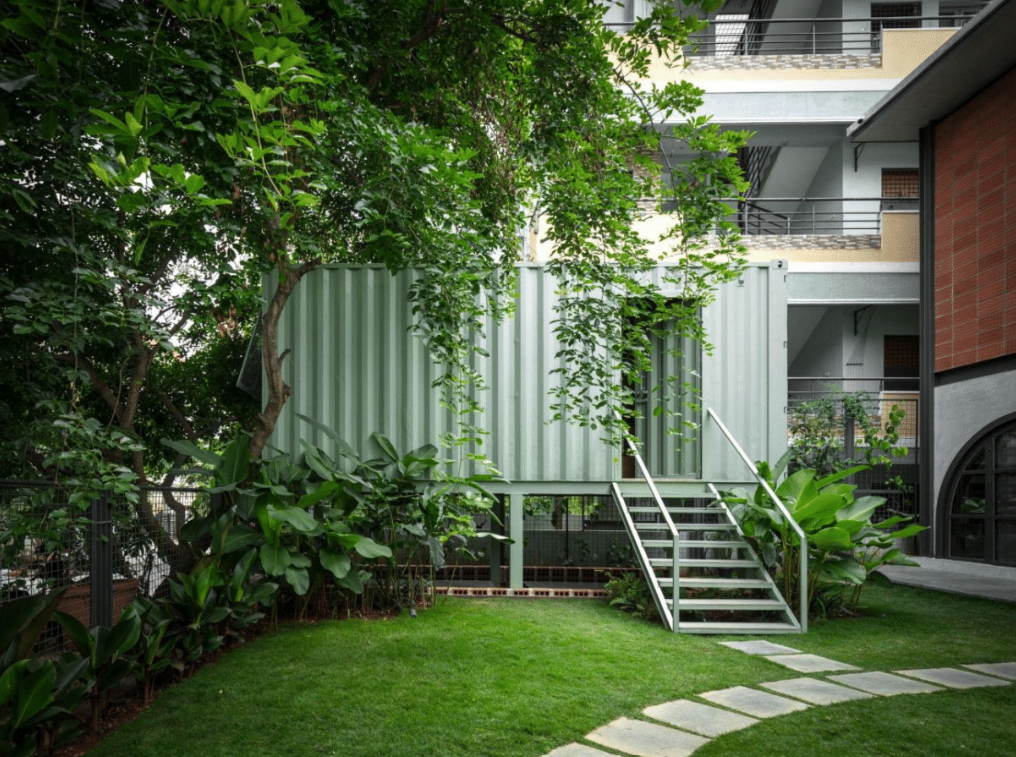
At first glance, shipping containers are just metal boxes made for moving cargo across the globe. But in recent years, they’ve been showing up in places far from ports, turned into homes, studios, cafes, even workspaces. A combination of creativity and functionality drives this shift. These containers are not only strong and relatively affordable but also incredibly adaptable. More importantly, they offer a smart way to reuse materials that would otherwise be left to rust, supporting a bigger push toward sustainable construction.
Tough Materials, Greener Mindsets
Shipping containers are built to endure harsh marine environments, making them exceptionally durable.Made from corten steel, they resist corrosion and require minimal maintenance, lasting decades. Becauseof their modularity, shipping containers can be configured in endless ways—stacked vertically, joinedside-by-side, or cut and reshaped for custom windows and doors. Reusing shipping containers helpsreduce the need for traditional materials likesteel and concrete, which carry a high environmental cost.And when combined with solar panels, green roofs, or rainwater systems, they can become part of asustainable lifestyle.
Affordability Meets Design Flexibility
While turning a container into a livable or usable space does involve additional work—insulation, plumbing, electrical, and finishing—the overall cost is often lower than that of standard construction. At Taliesyn Studio, we transformed a discarded shipping container, sourced from Chennai, into a materials library. To maintain temperature stability, the container was resized, treated externally, and fully insulated inside. This setup showcases the practical reuse of containers and inspires collaborative and creative workflows, integrating vernacular materials reflecting Taliesyn’s ethos of sustainability and biophilic design.
Shipping container architecture isn’t just a trend or novelty. It’s part of a broader movement toward more innovative and sustainable design. These structures challenge conventional ideas about what buildings should look like or be made from. And as more architects and designers explore their potential, they help push eco-friendly construction into the mainstream, not just as an option, but as a new standard.